Showing posts with label Contemporary. Show all posts

Saturday, February 28, 2026

Reflections for the Month & Defining the Contemporary Teacher

Learning Forward Saturday

Review teacher reflections and demonstrate practical AI tools for professional development.

Key Takeaways

  • Adaptability vs. Collaboration: Adaptability means fitting into a school’s culture (e.g., PYDS’s rural setting), while Collaboration is proactive engagement. Both are essential for contemporary teachers.

  • Reflection vs. Notes: Reflection is personal insight and growth; notes are a factual summary. The blog editing process (using Grammarly, Fathom) helps teachers learn this distinction by seeing their work refined.

  • AI as a Tool, Not a Replacement: AI is a powerful assistant for efficiency (e.g., ChatGPT for drafting, Canva for graphics). The teacher’s “heart and soul” (empathy, creativity) and quality prompts remain indispensable.

  • Inclusivity is a Contemporary Value: Effective teaching requires actively including all students, especially “backbenchers,” by creating psychologically safe environments and recognising effort, not just performance.

Topics

PYDS Reflection: Defining the Contemporary Teacher

  • PYDS’s reflection defined a contemporary teacher with the acronym:

    • Receptive

    • Efficient

    • Humorous

    • Creative

    • Approachable

    • Empathetic

    • Tactful

  • Adaptability was discussed as a key trait, defined as the ability to fit into a school’s unique culture.

    • Example: A teacher moving to PYDS must adapt to its remote, rural environment and students from underprivileged backgrounds.

  • Distinction: Adaptability (fitting in) vs. Collaboration (proactive engagement).

Blog Editing & AI Tools Demo

  • Sandeep demonstrated the blog editing process to show how AI tools refine submissions and provide a learning opportunity.

  • Process:

    1. Platform: Posts are published on the Teachers Academy blog via draft.blogger.com.

    2. Grammar & Style: Grammarly corrects grammar and punctuation, using Indian English conventions.

    3. SEO: Meta tags and a <150-character description are added for searchability.

    4. Learning: Teachers learn by comparing their original submission to the polished, published version.

  • AI Tools Used by Learning Forward:

    • Grammarly: Grammar and style correction.

    • Fathom: Meeting recording and transcription.

    • Apple Intelligence & Zoom Recording: Backup recordings.

    • Gemini: Research and report generation.

    • Canva: Graphic design.

Sunbeam Balia Reflections: Empathy & Inclusivity

  • Reflections from Sunbeam Balia highlighted empathy and inclusivity as core contemporary values.

  • Key Themes:

    • Empathy: Building a strong teacher-student bond and a positive classroom environment.

    • Lifelong Learning: Continuous professional development is essential for teacher relevance.

    • Inclusivity: Actively engaging all students, especially “backbenchers,” by recognising effort and creating psychologically safe spaces.

  • Sunita Tripathi’s Post: A Hindi reflection exploring a backbencher’s thoughts when asked a question, emphasising that a supportive teacher-student relationship builds psychological safety.

Pooja Chauhan’s AI-Generated Post

  • Pooja Chauhan shared a post created using ChatGPT, demonstrating effective AI integration.

  • Process:

    1. Prompt: Input specific requirements for a good teacher.
    2. Edit: Refine the AI-generated text to add personal voice and context.

  • Principle: The quality of the output depends on the quality of the prompt. The teacher’s role is to guide the AI with their expertise.

Next Steps

  • PYDS Team: Post the revised, readable TEACHER graphic to the Learning Forward WhatsApp group.

  • All Teachers:

    • Use AI tools (Grammarly, ChatGPT, Canva) to enhance efficiency and creativity.

    • Focus on reflection (personal insight) over notes (factual summary) in submissions.

    • Avoid time-specific phrases like “yesterday’s session” to ensure content remains relevant over time.

    • Invite colleagues to the Learning Forward WhatsApp group.

Tuesday, August 13, 2019

Conventional vs Contemporary Teaching

“What makes a child gifted and talented may not always be good grades in school, but a different way of looking at the world and learning.”

Education has evolved a lot in the past few decades. It has totally changed the way of imparting knowledge. The educational institutions now a day’s prefer an educator who is all-rounder, one who can not only teach the subject well but can handle young minds sensibly.

Those days are gone where the school was only Brick and Mortar, where the students use to sit in the class and learn through lectures delivered by teachers. Teaching was totally teacher-centric and the students were the passive learners.

As the world has changed, schools now a day’s prefer to be different from the crowd. They want to prepare the young ones for facing the upcoming challenges of their life. Educators are more dynamic, interactive and empathetic. They impart knowledge by giving opportunities to the students to learn by doing different things. This helps them to develop their critical thinking.

“The role of a teacher is to create the conditions for invention rather than providing
ready-made knowledge”

– Understanding  Icons
The Iconic School Bhopal
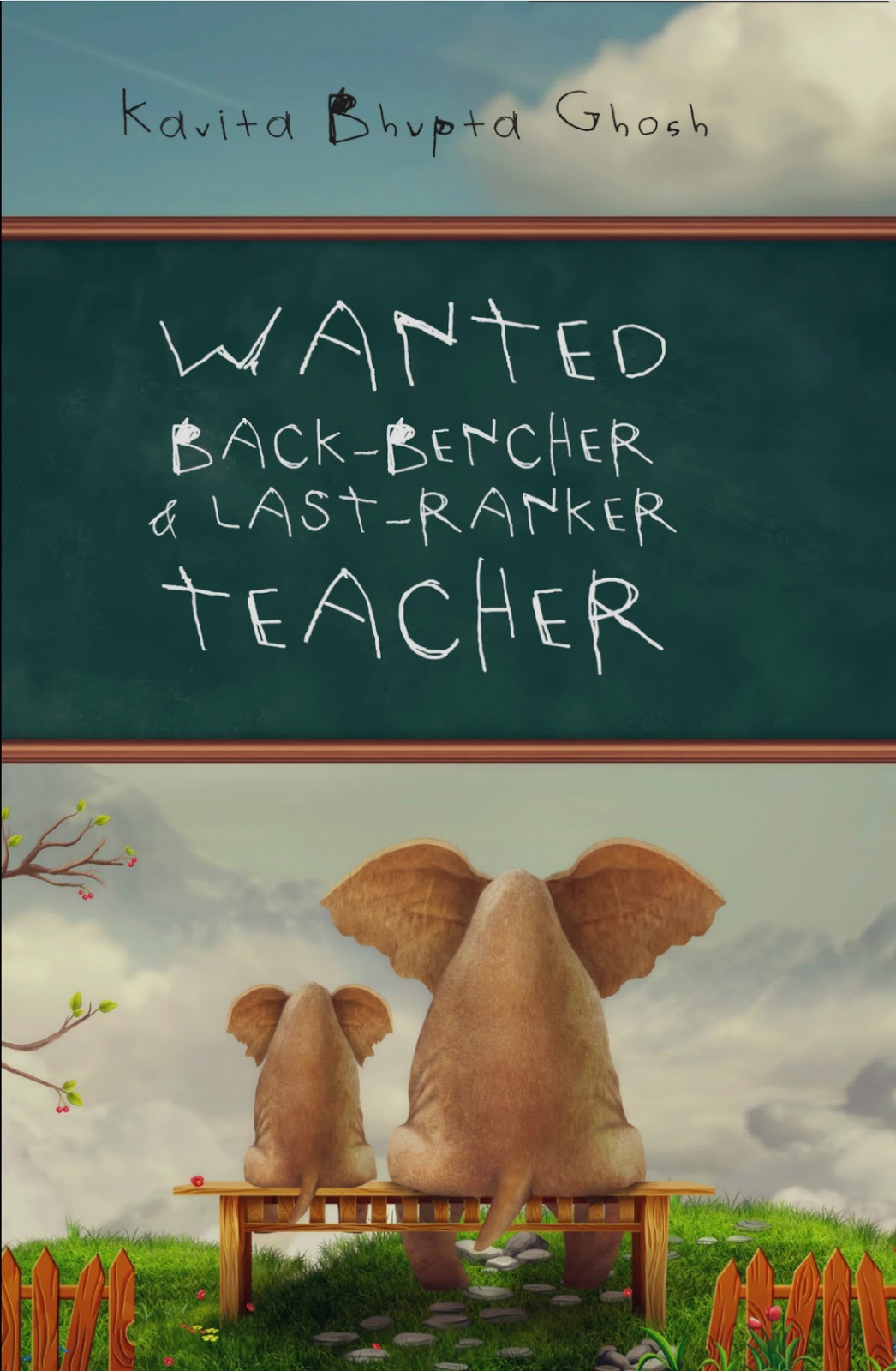
The Educators at The Iconic School are reading Kavita Ghosh’s Book for the Level II of the Learning Forward India three-year Professional Learning Program. 

भावना शर्मा : पारंपरिक शिक्षा तथा आधुनिक शिक्षा

एक कहानी के अनुसार: एक पारंपरिक गुरु तथा उनके साथ थे एक आधुनिक युग के  गुरु दोनों परम मित्र थे l दोनो ही जंगल के रास्ते जा रहे थे तभी उन्हें किसी खतरे का आभास हुआ । पारम्परिक गुरु ने तुरंत ही एक तख्ती तैयार की और उस पर लिखा कि कृपया यहीं रुकें आगे न जाये आपका जीवन संकट में है । उस तख्ती को कोई भी नही देख रहा था सभी चलते जा रहे थे तभी एक कार गुज़री और आगे जा के धमाके के साथ गिर गई गुरु बोले जैसी प्रभू की मर्ज़ी । जब कोई दुर्घटना हो गुरु यही बोलते । अब बारी आई आधुनिक गुरु की गुरु जी ने एक और तख्ती तैयार की उसके बाद एक भी दुर्घटना नही हुई । क्योंकि उस तख्ती पर लिखा था कि आगे न जाएं आगे पुल टूटा हुआ है ।

यही सोच पारम्पारिक और आधुनिक शिक्षा में फर्क करती है । पारम्परिक शिक्षा का मुख्य उद्देश्य था विद्यार्थियों को उनको परम्पराओं और संस्कृति से जोड़ना तथा पीढ़ी दर पीढ़ी इस रिवाज़ को आगे बढ़ाना । विद्यार्थी पूर्ण अनुशाषित वातावरण में शिक्षा प्राप्त करते और अपने जीवन मे उन सभी शिक्षा प्रद बातों को ग्रहण करते । उस समय कागज़ कलम और पुस्तकों से पढ़ने के बज़ाय विद्यार्थी का चरित्र गठन करना और जीवन में उसे दूसरों को हित करना ही शिक्षा का मुख्य उद्देश्य था । समकालीन अर्थात आज की शिक्षा का मुख्य उद्देश्य सभी को जीवन में आगे बढ़ने सफलता प्राप्त करने के समान अवसर प्रदान करना है|

हर बच्चे का अपने जीवन में कुछ अलग करने का सपना होता है जैसे कुछ को संगीत में रूचि है तो किसी को खेल कूद में , किसी को नृत्य में । ये सभी कार्य विद्यार्थी अपनी शिक्षा के साथ ही जारी रखते हैं । जो कि आधुनिक शिक्षा में ही संभव है । वर्तमान शिक्षा का तंत्र अब पूरी तरह बदल चुका है । इस शिक्षा प्रणाली को और अधिक मजबूत बनाने के लिए जरूरत है ऐसे शिक्षको की जो कि अपने विद्यार्थियों का उचित मार्गदर्शन कर सकें उनकी मुश्किलें और कठिनाइयों को आसानी से परिवर्तित कर सकें । एक अच्छा दोस्त बनें, एक अच्छा सलाहकार बनें क्योंकि परम्परागत और आधुनिक शिक्षा का एक ही लक्ष्य है और वह है, "एक शिक्षित समाज की स्थापना"|

भावना शर्मा 
Responsible Icons, The Iconic School Bhopal
The Educators at The Iconic School are reading Kavita Ghosh’s Book for the Level II of the Learning Forward India three-year Professional Learning Program. 

Sunday, July 28, 2019

Wanted Back-bencher Last-ranker Teacher

Learning Forward India PLP Level II & Session II

Helpful Icons - Contemporary Teacher


Wanted Back-bencher Last-ranker Teacher

Learning Forward India PLP Session II - Kalpana Jain, The Iconic School

Blog Archive