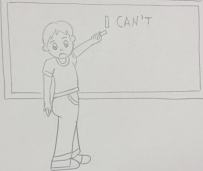
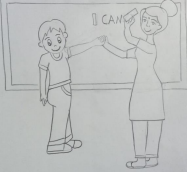
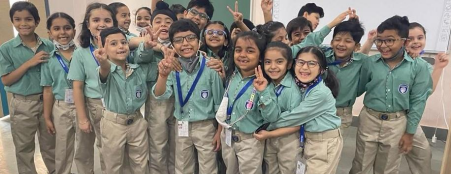
What makes a school?
A school is much more than just a building with classrooms,
desks, and blackboards. It is a place where young minds are nurtured, values
are instilled, and futures are shaped. As a teacher, I believe that a school is
defined not by its infrastructure but by the people who bring it to life—the
students, teachers, and staff who work together to create an environment of
learning, growth, and belonging.
A school thrives on curiosity, discipline, and compassion.
It is where students learn not just subjects but also life skills, where they
grow into responsible individuals who respect diversity, embrace challenges,
and develop the confidence to face the world. The laughter in the corridors,
the determination in the classrooms, and the bonds formed in the playground all
contribute to the essence of a school.
As a teacher, my role extends beyond delivering lessons. I
am a mentor, a guide, and sometimes a learner myself. Every interaction with my
students reminds me that education is not just about knowledge but also about
inspiration. A school flourishes when teachers ignite young minds, when
students feel safe to explore and question, and when values like kindness,
integrity, and perseverance are woven into everyday learning.
A true school is a place where every child is valued, every
dream is encouraged, and every effort is celebrated. It is not just an
institution—it is a home of possibilities, where the future is built one lesson
at a time.
War vs Peace
As a teacher, I often find myself contemplating the
contrast between war and peace, not just in history books but in the world
around us. War, with its destruction and suffering, teaches us the cost of
conflict, while peace reminds us of the beauty of unity and harmony. In the
classroom, I see both—disagreements that, if left unchecked, can lead to
discord, and moments of understanding that foster friendship and growth.
Teaching young minds about war is not just about dates and battles;
it is about the lessons humanity has learned through loss. But more
importantly, it is about helping them understand the power of peace—how
dialogue, empathy, and cooperation can prevent conflicts before they arise. In
a world that sometimes glorifies power and dominance, my role is to instil in
my students the belief that true strength lies in kindness, patience, and the
ability to resolve differences without violence.
Every day, I witness small wars and peace-making efforts in
my classroom—an argument over a game, a misunderstanding between friends, a
moment of selfless sharing. These moments remind me that peace is not just the
absence of war; it is a choice we make in our words, actions, and attitudes. If
we teach our children the value of peace today, perhaps tomorrow’s world will
need fewer lessons about war.
As a teacher, I dream of a generation that chooses
understanding over conflict, compassion over hatred, and unity over division.
The future of peace begins in the hearts and minds of the young, and I am
grateful to play a part in shaping that future.
Love learning Vs Hate learning
As a
teacher, I’ve witnessed the stark contrast between students who love learning
and those who struggle with it. The love for learning often comes from
curiosity, a sense of accomplishment, and an environment that fosters growth
and exploration. These students are excited to discover new concepts, ask
questions, and dive deeper into subjects. They are self-motivated and often find
joy in the process of learning itself, rather than just the outcome.
On the other hand, students who hate learning often feel
frustrated, disconnected, or overwhelmed. For these students, learning can feel
like a chore, something they must endure rather than enjoy. This can stem from
various factors such as lack of confidence, negative past experiences, or
external pressures. As educators, it’s crucial to identify the root causes and
provide support that helps these students shift their mindset.
The key, I believe, lies in creating a learning environment
where curiosity is nurtured, failure is seen as a stepping stone, and every
student is given the tools and encouragement to succeed. By fostering a love
for learning, we can help students see the value in education, not just as a
means to an end, but as a lifelong journey that sparks growth, creativity, and
understanding.
Affection vs Rejection
As a teacher, I’ve seen the powerful impact that affection
and rejection can have on students’ emotional and academic development.
Affection, in the form of encouragement, positive reinforcement, and genuine
care, can be transformative. It helps students feel valued, builds their
confidence, and creates an environment where they feel safe to take risks, make
mistakes, and grow. When students feel loved and supported, they are more
likely to engage in their learning, develop strong relationships with peers, and
persist through challenges.
On the other hand, rejection, whether through neglect,
criticism, or a lack of emotional support, can have lasting negative effects.
Students who feel rejected may struggle with feelings of inadequacy, low
self-esteem, and fear of failure. This can lead to disengagement, poor academic
performance, and even behavioural issues. Rejection, whether intentional or
not, can create walls between a student and their potential.
As educators, it is essential to cultivate a culture of
affection—where every student feels heard, valued, and understood. This does
not mean giving up on discipline or high expectations but rather balancing them
with empathy, patience, and encouragement. Every student needs to know they are
accepted for who they are and that mistakes are part of the learning process.
When affection is present, students thrive not only academically but also
emotionally, forming the foundation for their lifelong growth and success.
Like vs Unlike
As a teacher, I’ve observed the differences between
students who are similar and those who are vastly different, and the impact
these differences have on the classroom environment. “Like” students, those who
share similar learning styles, strengths, or personalities, often have an
easier time connecting and collaborating. They tend to understand each other
quickly, which fosters a more harmonious classroom dynamic. However, this can
sometimes limit the diversity of ideas and the growth that comes from learning
how to navigate and appreciate differences.
On the other hand, “unlike” students—those with different
learning styles, backgrounds, or perspectives—bring a richness to the
classroom. While it can require extra effort to ensure that every student feels
included and understood, the diversity of thought and experience that “unlike”
students bring to the table is invaluable. These differences can challenge
students to think critically, approach problems from various angles, and
develop empathy for others. It’s in this diversity that true learning happens,
both academically and socially.
As educators, it’s crucial to embrace both “like” and
“unlike” students. Recognising and respecting their similarities allows us to
foster connections, while appreciating their differences encourages a broader
worldview. The key lies in creating a classroom culture that celebrates both
unity and diversity, where every student feels they belong, can contribute, and
can grow. Balancing the strengths of “like” students with the challenges and
opportunities of “unlike” students is essential in preparing them for a world
that is diverse and ever-changing.
Right vs Wrong
As a teacher, the concept of right vs. wrong is often more
nuanced than we might initially think. In the classroom, we tend to focus on
helping students understand what is “right”—the correct answers, the proper
behaviour, and the rules that guide our learning environment. However, the
process of navigating right and wrong goes far beyond merely providing the
right answers or enforcing discipline.
One of the most important lessons I try to in-still in my
students is that “right” and “wrong” are not always black and white. They often
depend on context, perspective, and an understanding of the consequences of
actions. For example, while academic correctness is essential, I encourage
students to explore the “why” behind their mistakes, viewing errors as
opportunities for growth rather than failures. Mistakes are an integral part of
learning, and I emphasise that making a mistake doesn’t make them “wrong” as
learners—it’s simply part of the journey.
Additionally, teaching students about right and wrong
extends beyond academics into the realm of character and ethics. I focus on
helping them recognise the value of kindness, respect, and responsibility.
However, I also aim to create a space where students can discuss moral
dilemmas, express differing views, and learn to respect the perspectives of
others, even when they may not agree.
Ultimately, the goal is to teach students that making the
“right” choice is often a reflection of their values and understanding of the
world. It’s about developing the ability to critically think about situations,
understand consequences, and be responsible for their actions. As educators, we
play a vital role in guiding them through these complexities, encouraging
self-reflection, and fostering a learning environment where the exploration of
right and wrong is part of their growth as individuals.
Diksha Jindal
Sunbeam Annapurna