Showing posts with label kindness. Show all posts

Tuesday, July 1, 2025

Not All School Essentials Come in a Pencil Case! - Manisha Khanna


๐ŸŽ“ Case Study: The Invisible Tools of Class 6B

School: Gita Tatva Vidhyalaya
Grade: 6B
Project Theme: “Our Green Planet” – A class exhibition on environmental issues

Background:

Class 6B was preparing for its annual exhibition. Every group had to create a display on an environmental issue of their choice. One group—made up of five very different students: Tia, Arjun, Farah, Neil, and Riya—chose the topic “Waste Not, Want Not,” focusing on waste management and recycling.

But early meetings were full of frustration. Tia wanted everything to be perfect. Arjun kept interrupting. Farah barely spoke. Neil was more interested in doodling than planning. Riya tried to take charge but got ignored.

They had the glue, the cardboard, the charts—but they lacked something crucial.

What Made the Difference: The Unseen Essentials

๐Ÿ’ฌ Respect

In one heated discussion, Tia snapped at Arjun for not listening. That evening, she reflected and returned the next day with a quiet, “Sorry for yesterday.”
The group agreed on one rule: “No interrupting—every voice matters.”
From that day, everyone started listening.
➡️ Respect built the foundation for teamwork.

Confidence

Farah had great ideas but rarely shared them. One afternoon, Riya turned and said, “Farah, I think you have something to say—go on.”
Farah hesitated, then suggested turning an old shoebox into a 3D recycling bin. Everyone loved it.
➡️ Confidence grew when others believed in her.

๐Ÿ” Curiosity

Neil, while sketching for the poster, asked, “Why is plastic hard to recycle?”
This led the group to conduct further research and add a quiz section to their display. They even discovered a new type of biodegradable plastic and included it in their project.
➡️ Curiosity sparked real learning.

๐Ÿ’› Kindness

When Arjun missed a day due to illness, the team didn’t grumble. Instead, they left space in the model for him to contribute later and sent him a video update.
➡️ Kindness kept the group united.

๐ŸŽฏ Responsibility

As the deadline approached, they met early before school, divided tasks clearly, and checked every detail twice. No one blamed or waited for others to fix problems.
➡️ Responsibility meant showing up for the team.

Exhibition Day: More Than Just a Display

Their table wasn’t the flashiest, but visitors stayed longer. People loved how clearly they explained everything and how each member had a role. A judge remarked,

“This group shows what learning really looks like—not just knowledge, but collaboration.”

Reflection: What They Truly Carried

None of these students packed extra bags. What they did bring were invisible tools: their attitudes, their values, and their willingness to grow.

These five qualities—respect, confidence, curiosity, kindness, and responsibility—don’t weigh anything, but they carry us the farthest.

Inspired by the idea of abstract nouns—qualities we can't see, but feel—and the values that build strong character in every student.

Manisha Khanna


Sunday, January 15, 2023

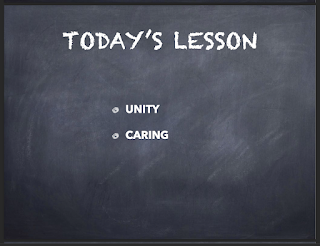
Unity and Caring - Sukhpreet Kaur

The significance which is in Unity is an eternal wonder. – Rabindranath Tagore


Unity or teamwork occurs when diverse abilities and insights join together to achieve a common goal. It is sustained by concentrating energy, accepting and appreciating the value of the array of participants and the unique contribution each can make and remaining loyal to one another and the task. It inspires more substantial personal commitment and more extraordinary collective achievement. The nature of society is different. Each individual who grows up is separate, unmixed and non-repeatable.

Unity:-

In Grade V, I conducted one activity on The United Nations (UN) based on Unity. Students were divided into 5 teams. Students researched various works of the United Nations in India. Topics for the teams were:- 

TEAM-1 Poverty and Urbanisation

TEAM-2 Health, Water, and Sanitation

TEAM-3- Education and Employability

TEAM-4 Gender Equality and Youth Development

TEAM 5 Climate Change, Clean Energy and Disaster

Each Team was divided into roles. Buzz (Team), Affinity (Questionnaire), Teach and talk (presenting conclusion) and Critics.


The task was given to them during winter vacations. The presentation was in the second week of January. I was happy to see the work presented by them. Even I asked them what they learnt from this activity? I would like to share the learning shared by a few participants of Team -2:


It was a great acTeamty. I learned about how the United Nations manages Health, Sanitation and water for needy people worldwide. I discovered my team member's hidden qualities and learned to manage them together. I learned how to work in Unity, also. This was my best activity in 5th grade. Thank you, Ma'am, for giving us such a great activity!


Thank you, Ma'am, for this activity. I liked the group work and how Parvi properly managed all of us. I would like to be in Parvi's Team in future, also. I learned when people me shouting how to manage them politely from Parvi. And thank you, Ma'am, for this united activity.


I was excited to hear about our topic when we presented the activity. I found this activity to be unique because of its Unity. I learned that Unity makes our work easy too. Thank you, Ma'am, for this great activity.


As a facilitator, I guided my students about the topics and explained the value of a team. Students worked well in the Team. I was amazed to see the handholding of each Team during the presentation. Students who were critics used their power and role for the betterment of everyone. With maturity and self-reflection, more research work will happen in future. I would like to share one quote from Rabindranath Tagore "Don't limit a child to your own learning, for he was born in another time."


Caring:- 

Indeed this quote speaks the truth of life. The picture was my assignment for the students. I displayed this picture, and I felt silence in my class. Suddenly one student wrote the word kindness on the whiteboard. This was the trigger for our discussion. While discussing values in my class, I observed different views and opinions. Then I shared another picture which was related to success.

I asked what is most important to them– achieving at a high level or achieving at a high level and caring for others. I received mixed responses. I did this survey with the age group of 10-17 years old children. I was distraught to see the result when I observed 75 per cent chose to achieve at a high level, and 25 per cent decided to perform at a high level and to care for others.


The 25 per cent age group was 10-12 years old children. So it is essential to inculcate values from the initial phase of life. I would like to end with the English proverb - As you Sow, So Shall you Reap. Sukhpreet Kaur
Gyanshree School, Noida Happy Teachers JOL Cohort 2022

Friday, December 30, 2022

Unity and Caring - Laxmi Kant Bhatt

Unity is a state of mind which keeps a group bound with each other keeping their significant differences aside by compromising. It means staying together in the worst situations without stabbing each other in the back. If people understand the meaning of unity, they can withstand any condition.

In our everyday world, through struggles and hardships, caring can help us overcome many problems. Caring is a feeling or showing concern for or kindness to others. It can create a beautiful environment and help people feel happy and memorable.

In our school, the principal arranged an interclass competition for the students in which they had to decorate their classes according to the theme assigned to them. The theme decided was caring about the endangered species of the world. The time set for the competition was one week. The next day I got some important work and took three days off. I could not inform my class regarding the interclass competitions and be already behind.

On returning from my leave of absence, I informed the students about the competition and discussed the plan I had come up with them. The students improvised the idea, and they made certain groups for different purposes. The first group would do research, the Second would do the art and craft work, the Third group would do the writing work, and the fourth would do the presentation. As the time and resources were limited, I offered my maths lessons, and the students offered their personal stationery. The students used their time wisely, and within two days, they were done with their class decoration. The next day the judges visited every class, and the students in my class gave informative and formal presentations. During this period, the kids learned to work in a team without putting their differences in between. As the theme was about caring, they learned a lot about how caring can evolve a person's personality. They also discussed the issue with the judges and told them all the things they got to know and experience while working on this assignment.  

Therefore unity is a great thing which can make things possible over a short period, and how caring can help lift up people's moods and evolve people's personalities.

L K Bhatt
The Doon Girls' School

Sunday, September 25, 2022

Humility and Appreciation - Shalini Solanki

In a world of 7.8 billion people, no matter how social we are, the human race is looking for that one thing, a talent, and a purpose, anything which is their own, which gives them meaning and helps them make sense of the world. They want something to be known by and something they are known for. The speciality is what people need to be content and happy for that individual. However, this search for individuality often leads to the path of isolation, arrogance and selfishness. If not taken with humility, this search for personal gain removes the focus from our ultimate purpose of serving others.

Taking it up from the very beginning is essential, especially in schools. Accepting failure and success with humility for themselves and others is the skill required to raise a generation of individuals ready to face the world with courage and kindness. Accepting and giving appreciation with genuineness is directly linked with humility. To explore this connection and to help learners experience this feeling.

Activity:
I created an activity about festivals. While discussing various festivals, we tried to explore the
music, clothes, food and activities related to each festival using audio and visual aids.

Learner’s role:
Learners saw the grandness of the harvest festivals, the magnificence of the national festivals and
the richness of the religious festivals all over India. They identified the beautiful differences and
unexpected similarities between various festivals.

I observed learners expressing themselves as a part of the community while describing their
favourite festivals. They were open, appreciative and eager to know about each other’s
experiences. This led me to extend this feeling of community based on humility and
appreciation into another activity.

We decided to feel the spirit of festivals more closely and have our own class festival. Learners brainstormed and decided they would have a festival to celebrate the beauty of nature.

We dedicated one day to celebrating this class festival. Learners decided what they wanted to do to
celebrate their festival. They also learned subtly and humbly the things they cannot yet do. For
example, suggestions like going on a trip, buying and using plastic decorative items were put down
very gently and humbly by other students based on the understanding of what they are capable of
doing and what is harmful to nature.

On the day of the festival, learners cleaned their classes; they decorated the board and the class
with origami crafts and drawings. I assisted them in making groups and assigning tasks. We started
our day with a choir performance dedicated to nature by all the learners. We went on a nature walk
and enjoyed the beauty around us.

As a part of our festival ritual, we sat together on the grass in a circle; everyone shared one thing
they appreciated about nature. It was beautiful to see everyone enjoying and appreciating the
beauty of nature. We wrote one promise on a slip of paper to save the beauty of nature around us. I
instructed them to write a simple commitment that they could do themselves. Later, we collected all the
slips and distributed them again. This time, everyone had a promise written by someone else. They read
it aloud and agreed to keep it and implement it to the best of their ability.

We ended the day by having a community feast. Everyone was asked to bring some healthy snacks.
In the class, we enjoyed the food together with light music while sharing our experience of
celebrating our own festival. I was so happy to see the ownership reflected by the students for this
activity. They were concerned about the cleanliness and implementation of all the activities 
they decided to include in their festival.

My role: Facilitator

Impact on students:
The spirit of humility and appreciation was not just observed in the experience but was also seen
growing by the end of it. Recognition of self concerning the community and appreciation of
different viewpoints was evident throughout the day.

Shalini Solanki
Gyanshree School, Noida
JOL Cohort 2022

Wednesday, August 24, 2022

Responsibility and Cooperation - Arav Agarwal

Lesson - Responsibility and Cooperation on 13.08.2022

Responsibility

Responsibility is response + ability, which means our ability to respond in any situation. When we make children or adults aware of the responsibility, our ability to respond becomes empowering as it gives us choice and freedom to respond with love, patience and kindness. Just understanding the simple meaning of responsibility will help to take self-ownership.

Activities to carry out in the classroom

รผ  Telling students to write and reflect on their achievements, mistakes and failures. I think this will help the students to know themselves better, and also, they will see that they have a choice to act more responsibly. Also, giving appreciation stars or remarks on the classroom appreciation board to students who take self-ownership and do their work responsibly will motivate them.

“Every privilege comes with a responsibility. If you don’t take the responsibility, you will lose the privilege.” - Sadguru.

Cooperation

Cooperation is working together to achieve a common goal or result. Cooperation brings harmony, understanding and team spirit. I think cooperation makes work more accessible and better as everyone works together using their strengths and skills to achieve the best results for the team.

Activities to carry out in the classroom

 รผ  Classroom is the best place to teach cooperation. Giving students group projects and team quizzes for assessment and playing sports teaches the value of cooperation as the team members who cooperate most succeed.

“Cooperation is the thorough conviction that nobody can get there unless everybody gets there.” – Virginia Burden.

The connection between Responsibility and Cooperation - Responsibility and cooperation go hand in hand. Cooperation becomes easy if we know we can respond to any situation or activity and not react.

Cricket or any team sport is where we can see how responsibility and cooperation together can make the players win. Cricket requires players to play responsibly and cooperate with team members to win the match.

When we responsibly cooperate, we create harmony and balance in society.

Name: Arav Agarwal
Grade: 6A
Billabong High International School, Thane

Monday, September 27, 2021

Here's How Can We Teach Kids Compassion - Pinkee Chouhan

We all want our children to be kind and have compassion in their minds.  But the biggest question here is how to teach compassion, kindness to the child.  Children develop different levels of empathy at different ages.  Compassion and kindness require the development of heart for human behaviour.  We should keep talking to the children on this subject continuously. 

The thing about children is that if they see kindness and compassion in our behaviour, they will behave the same way.  We will have to make many efforts for the development of sympathy.  Take the help of children to take care of any sick animal or bird.  Teach them to show empathy.  Encourage children to help someone in need.  Explain to the child why we should be sympathetic towards others.  If any classmate of the child is sick or injured, some person is poor or needy, some person is old or disabled, some animal is ill or hungry, then encourage the child to help, which will develop empathy and compassion.  And feelings of kindness will be infused in him.

The best way for kids to learn compassion is through watching models of this behaviour. Their teachers, parents, and other adults need to behave this way for children to see it as valuable and find approval in copying it. Finding compassion in moments of adversity is a skill that all adults should be working on mastering. The future generation depends on it.

Pinkee Chauhan
The FabIndia School
pco@fabindiaschools.in

Making Others Happy - Shivani Rao

A simple act of kindness can make us feel happy. The more we spread happiness, the more the world looks beautiful to us. Happiness is a beautiful emotion that gives positivity to move forward in life. During a difficult time, even a small act of kindness can change a person's mental state. It is essential to know how to make others happy. The simplest way to make someone happy is to be emotionally supportive of them. Everyone wishes to have unquestionable love and support. Everyone wants to speak about their feelings and wants a person to listen to them patiently. However, many times don't get a chance to do it. 

To make someone happy, all you need is to give your time and your patience. The sense of comfort and warmth is the best way to make someone happy even simple things like helping a person move or helping them finish some work can significantly influence the person. These small actions of selfless love can make someone happy. All these things make a huge difference and bring happiness to our life.

Shivani Rao
The Fabindia School
sro@fabindiaschools.in

Monday, August 2, 2021

Philip M Burrett "I am passionate about Education...


https://vurbl.com/listen/to-Philip-Burrett
Episode #88: Sandeep Dutt in an honest chat with Philip Burrett, an ex-school master and deputy Headmaster at The Doon School, with 43 years of teaching experience. Now a school consultant, trainer, coach, school mentor and traveller. He was taught in co-ed and single-sex boys schools in Delhi and Mumbai until he arrived at The Doon School Dehradun (India) in 1985. He believes that boys end up in trouble; when we look around, we see many reasons. He is very concerned about handling boys and how we can best educate them. His efforts are to move them away from the pseudo masochism that most boys think is needed to become new warriors-men with empathy and kindness. Now retired seeks to take boys into the outdoors to train, coach and mentor. The need of the hour is to help boys become men and make these rites of passage enjoyable. Once a teacher, always a teacher, works to help colleagues and live well with his family. Philip's father served in the forces, and this is where he learnt the meaning of colour, the need to respect women and persevere. His passion for the outdoors must be his DNA, and he finds that learning is only outside the classroom, beyond the closed spaces and boxed mindsets. Finds that boys in particular call for trouble, and the prisons are full of men. This happens because they lack role models. It is time now for 'men empowerment, and this gives due credence to the Mankind Movement he once followed. We can not make half-baked men; there is a definitive need for rituals, routine and rhythm to help reform the world in distress.

---

Send in a voice message: https://anchor.fm/learningforward/message
Support this podcast: https://anchor.fm/learningforward/support

You will love the stories shared by our happy teachers and passionate educators. We grow the capacity of your people to improve student achievement and transform your school into a culture of trust and collaboration in less time with fewer resources. Each person in your school contributes to the culture of your school. School culture is built on the actions and interactions of the people. You make your school stronger by adding value to others and making others feel valued.

Tuesday, July 27, 2021

Thoughtfulness and Understanding - Shalini Gurung

Thoughtfulness always leaves a good impression. A small group of thoughtful people could change the world. Indeed, it's the only thing that ever has. Most of the problems in life are because of two reasons:
1) We act without thinking. 
2) We keep thinking without acting.

1. Teach Empathy
We spend several months focused on learning. One essential habit that helps students learn to be kind to others, especially when dealing with conflict, is "seek first to understand, then be understood." This helps students see each other through a kindness lens and appreciate what each other is feeling.

2.Create a Friendship
When one act of kindness is conducted between classmates, the recipient of the act passes on a new act of kindness to another classmate until the entire classroom family has experienced at least one act of kindness bestowed upon them at closing circle.

3. Leverage social stories, including a problem to solve
Sharing social stories allows learners to be metacognitive about problems they may encounter. Have a class discussion about how they would feel if they were the character. What would they want at the moment? How would they want the problems solved? 

Understanding is something that comes from the mind of man. It is often used as a synonym for intelligence and discernment. Understanding is a mental faculty that is controlled by the mind of man.
Understanding is deeper than knowledge. Many people know you but very few who ustand you. The biggest mistake by most human beings, listening half, understanding quarter, telling double. Love allows understanding to go down, and understanding is precious.Where you are understanding, you are at home understanding nourishes belonging. When you really feel understood, you feel free to release yourself into the trust and shelter of the other person's soul.Empathy is one of the most critical social skills young learners can develop.Not only is Empathy a primary ingredient of bully-free schools and harmonious, inclusive classrooms. It's also a skill students will use for the rest of their lives as they grow into caring, compassionate adults and good citizens of the world. Empathy is a complex skill, but just like anything else, it can be taught.
Activity
Feeling collage
This is a fun activity to try in any classroom, especially if some of your students are especially shy and might have difficulty acting out emotion in front of the class. Bring a big stack of magazines to class and give each of your student's art supplies: Poster board or construction paper, scissors, glue sticks. Invite your students to cut pictures from the magazines of people expressing any kind of feeling, and instruct them to use these images to build a "Feeling collage'' hand out markers and ask students to label each picture in their collage with a feeling word.

By: Shalini Gurung@JMMS, John Martyn Memorial School, Salangaon, Dehradun 

Thoughtfulness and understanding - Neelam Bhardwaj

Thoughtfulness

Thoughtfulness is acting with thought and good sense. An important component of thoughtfulness is showing concern.

The 3 tools that can be used in the classroom to inculcate thoughtfulness about the right things among the students.

1. Be a helping hand

Being helpful means doing all it takes to care for others, be it your family, friends or community. It is a gesture of showing concern out of kindness. There are many ways children can be taught to be helpful. Children repeat words and actions they admire hence the best way to teach students to be helpful is by example. Children want to be involved. The teacher should start encouraging them to find ways to help others. Get along with the students and ask them to help in rearranging the tables and chairs, put up the charts in the classroom, emptying the dustbins, and put them in proper places. Do some activities in the classroom to stimulate creativity and get everyone involved in active ways. The children learn and begin to help others.

2. Celebration of togetherness

We live in a country with diversity. Students come from different religious backgrounds and cultures. Every culture and religion has its own faiths and beliefs, and the children should be taught to respect every religion. The best way to learn about other cultures is by celebrating the festivals together. Celebrating or talking about other religions allows the students to appreciate and respect others' faith. It is the best way to make them understand the fact that all religions spread peace and respect. Students come together to celebrate the festivals in the school. In this way, they become thoughtful and kind towards everyone without any kind of discrimination.

3. Get to know each other

Every student is different. Still, they all are equal in the eyes of a teacher. Children come from different backgrounds. To understand the students better, a teacher needs to spend individual time and communicate with the students. It helps to develop an awareness of students' challenges and needs. In this way, a teacher can help the students. When the teacher and the students have a better understanding, they build trust. Every individual feels genuinely valued for who they are and what they contribute as a unique individual.

Understanding

Understanding is the agreement of opinions or feelings. It's the adjustment of differences. To be understanding towards the world around you, you need to develop empathy.

Here is one of the many classroom activities that can be performed to encourage empathy among the students.

Circle Time

Kindness is a natural human response that doesn't need much encouragement. However, it is something that should be practised regularly. Kindness and empathy can be taught in the classroom.

Circle time is one of the activities that can be conducted in the classroom to encourage understanding of the world to the children.

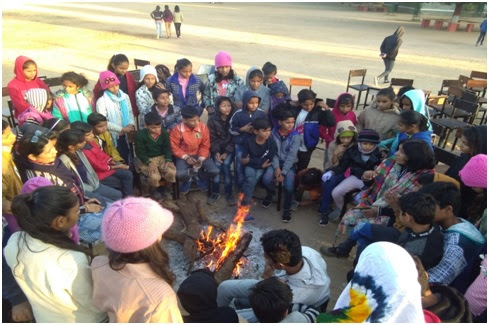
This activity can be performed in the classroom or outside on the ground. Ask the students to sit in a circle. Every child should have a paper and pen where they have to write.

Someone you helped on  that day

Somebody helped you on that day.

It can be any big or small act of help. After writing, they all will share about it in the circle one by one. Other students must listen quietly. As everyone shares their incidents, they can relate them to one another and experience different emotions. They understand what it feels like to help someone and how it feels when someone helps you in need.  In the end, the children will come to the centre one by one and speak out about anyone emotion they felt or understood during the session and all those who felt the same emotion will raise their hands. 

This activity is a good way to encourage understanding and kindness among the students. Sharing nice and positive things with others makes them feel heard and affirmed by others.

- Neelam Bhardwaj @JMMS, John Martyn Memorial School, Salangaon, Dehradun

Monday, July 26, 2021

Compassion - Bharti Rao

Compassion is a feeling of thoughtfulness. It is an emotion that is inborn in them. It is when we think about ourselves and others. You imbibe this value from your environment by seeing others and listening to others.
 
A compassionate person is influenced and influences others. We can identify compassionate people who are very emotional. They become upset when they see others in pain. Compassionate people understand others, think about others, lend a helping hand. If we are compassionate, we focus on how others feel without dismissing our own feelings. Situations, upbringing and environment, may also lead us away from compassion, so we need to be thoughtful and understanding.

Many times elders stop one to be compassionate by stopping them from doing small acts of kindness. Observing others who are not compassionate may also drive them away from being compassionate. In schools, it is a common sight where children show compassion in the classroom by sharing and showing acts of kindness. But in some situations, when groups come up, compassion is driven away. Then they start bullying others. Family affects one’s behaviour a lot. One learns values from families, peers, elders, and the environment. Many times children’s parents may not be compassionate, but children are encouraged by their friends or school, and they imbibe this value and become compassionate.

We should try to motivate others by going out of the way ourselves and help others; we need to be loving, caring and empathetic. The role of an adult is an important aspect to motivate students to be compassionate. Compassion brings in care, respect, love, kindness. Interaction, encouragement, collaboration, socialism, motivation, observation effects compassion a lot. Compassion is taught and learnt. Family, school, friends & environment churn compassionate people.

Bharti Rao
bro@fabindiaschools.in
The Fabindia School

Tuesday, June 15, 2021

Unity and Caring - Achievers JMMS

Listen to the story of unity and caring, where the children learn that being united and together, helps them to achieve everything in their life. 

Unity is being together or in an agreement. It is the state of being united.  When we work together, we can achieve the things that we cannot achieve by being single. 

Caring is showing kindness and concern for others. A caring person gives emotional support to the people around him. 

"I can do things you cannot, you can do things I cannot, together we can do great things." 
- Mother Teresa.
Achievers JMMS @ John Martyn Memorial School, Salangaon, Dehradun 
- Sweta Thapli, Meena Kukreti, Dolly Pharasi, Jyoti Joshi, Nisha Pundir and Chandra Prakash. 

Tuesday, March 30, 2021

Thoughtfulness - Rahul Thakur

Thoughtfulness is thinking before we act an action. Thoughtfulness is a way to encourage love and appreciation for others. It is thinking to change the world for the better. A way to show thoughtfulness is to help someone; it helps us feel better. By thoughtfulness, you can neutralise them negatively. When someone doesn’t act with respect or kindness, that time how you react.                                                 
Anger is an emotion that can cause so much damage and hurt at school that you want to handle it. You think about people other than yourself. This is thoughtfulness.

Sometimes we act before we think. This can hurt other people, so think and then react. We always need someone who thinks that people who think a favour of others always benefit and are loved by everyone.

Rahul Thakur
The Fabindia School
rtr@fabindiaschools.in

Saturday, November 21, 2020

Honesty and Respect - Aspiration JMMS

 (A)1. I didn’t do it, he started it 

When children fight in the class, and they are caught, this is the most common excuse they come up with, “I didn’t do it, he started it”. They lie because they don’t want to be caught and scolded or insulted in front of the class. They have self-respect in the class and try to protect it. One should listen to both the sides of the story and not make a judgment on the incident. If one has to say who is right, then one should say it calmly, without making the other child feeling bad. They should also be made responsible for their behaviour and make them realize that this behaviour is not accepted socially. 

2. Can I go to the washroom? 

 Often it has been noticed that if one child has gone to the washroom, his friends would also like to go. Usually, it is an escape strategy from the classroom. They like to take a break from the classroom and play in or near the washroom area. One forgets that children need to take a break in between. Studying different subjects back-to-back tires them. Usually, there is one break – that is the lunch break in the school, and it is not enough. If a child tells honestly that he needs a break, it would not be allowed. It is because the teacher is busy completing her lesson plan rather than seeing the need of the child and class. It is difficult, to be honest, yet one teaches that honesty is the best policy. The school needs to create a fearless environment where a child can express freely. It reminds of a poem by Rabindra Nath Tagore.

Where the mind is without fear and the head is held high;

Where knowledge is free;

Where the world has not been broken up into fragments

By narrow domestic walls;

Where words come out from the depth of truth;   

3.  เค†เคœ เคนोเคฎเคตเคฐ्เค• เคจเคนीं เคฎिเคฒा

เค…เค•्เคธเคฐ เคนเคฎें เคฌเคš्เคšों เค•े เคฆ्เคตाเคฐा เคฏเคน เคธुเคจเคจे เค•ो เคฎिเคฒเคคा เคนै เค•ि เค†เคœ เคฎुเคे เค•ोเคˆ เค—ृเคน เค•ाเคฐ्เคฏ เคจเคนीं เคฎिเคฒा เคเคธा เค•्เคฏों เคนोเคคा เคนै? เคฌเคš्เคšों เค•ो เค…เค•्เคธเคฐ เคฏाเคฆ เคจเคนीं เคฐเคนเคคा เค•ि เค‰เคจเค•ो เค•िเคธ เคตिเคทเคฏ เคฎें เค—ृเคน เค•ाเคฐ्เคฏ เคฎिเคฒा เคนै, เค”เคฐ เคเคธा เคญी เคนोเคคा เคนै เค•ि เคตเคน เค•ाเคฐ्เคฏ เค•เคฐเคจा เคนी เคจเคนीं เคšाเคนเคคे, เค…เค•्เคธเคฐ เคฏเคน เคญी เคฆेเค–ा เคœाเคคा เคนै เค•ि เคฌเคš्เคšों เค•े  เค˜เคฐ เคชเคฐ เค•ोเคˆ เค‰เคค्เคธเคต เคนो เคœो เค•ि เค‰เคจเค•े เค—ृเคน เค•ाเคฐ्เคฏ เคธे เคœ्เคฏाเคฆा  เคช्เคฐिเคฏ เคนो เค‡เคธीเคฒिเค เคฌเคš्เคšे เค—ृเคน เค•ाเคฐ्เคฏ เค•เคฐเคจे เคธे เคœी เคšुเคฐाเคคे เคนैं। เคตिเคฆ्เคฏाเคฒเคฏ เคฎें เค‡เคคเคจे เคธเคฎเคฏ เคคเค• เค…เคง्เคฏเคฏเคจ เค•เคฐเคจे เค•े เคฌाเคฆ เคœเคฌ เคตเคน เค˜เคฐ เคœाเคคे เคนैं เคคเคฌ เค‰เคจ्เคนें เคฒเค—เคคा เคนै, เค•ि เค…เคฌ เคนเคฎें เค–ेเคฒเคจा เคšाเคนिเค เคชเคข़ाเคˆ- เคชเคข़ाเคˆ เคฌเคนुเคค เคนो เคšुเค•ी เคนै। เค‡เคธीเคฒिเค เคนोเคฎเคตเคฐ्เค• เคจเคนीं เค•เคฐเคคे।

เคฌเคš्เคšों เค•े เคฎाเคคा-เคชिเคคा เค”เคฐ เคฌเคš्เคšों เค•ो เคธ्เคตเคฏं เคญी เค…เคง्เคฏाเคชเค• เคฆ्เคตाเคฐा เคฆिเคฏा เค—เคฏा เค—ृเคน เค•ाเคฐ्เคฏ เคธเคฎเค เคจเคนीं เค†เคคा।

 เค…เคง्เคฏाเคชเค• เคฆ्เคตाเคฐा เคเคธा เค—ृเคน เค•ाเคฐ्เคฏ เคฆिเคฏा เคœाเค, เคœो เค•ि เคฌเคš्เคšे เค•ो เค†เคธाเคจी เคธे เคธเคฎเค เค† เคœाเค।

เคถिเค•्เคทเค• เคฆ्เคตाเคฐा เค—ृเคน เค•ाเคฐ्เคฏ เค…เค•्เคธเคฐ เค‡เคธเคฒिเค เคฆिเคฏा เคœाเคคा เคนै เคคाเค•ि เค•เค•्เคทा เคฎें  เคฆिเค เค—เค เค•ाเคฐ्เคฏ เค•ी เคชुเคจเคฐाเคตृเคค्เคคि เคฌเคš्เคšा เค˜เคฐ เคฎें เค•เคฐ เคฒे เค”เคฐ เค‰เคธे เคชाเค  เค†เคธाเคจी เคธे เคธเคฎเค เคฎें เค† เคœाเค। เค…เคฌ เคถिเค•्เคทเค• เค•ो เคšाเคนिเค เค•ि เคฌเคš्เคšों เค•ो เคเคธा เค—ृเคน เค•ाเคฐ्เคฏ เคฆिเคฏा เคœाเค    เคœो เคฌเคš्เคšों เค•ो เค†เคธाเคจी เคธे เคธเคฎเค เค† เคœाเค เค”เคฐ  เค•เคฐเคจे เคฎें เคฌเคš्เคšों เคฎें เคฐुเคšि เคชैเคฆा เคนो।

It is imperative to show respect to earn respect in the classroom. Everybody has self-respect and wants to be respected. When respected, one feels loved and does not feel awkward or has any inhibitions to express himself. A child with special needs in our class was having difficulties in the class with his peers. He was bullied by his friends. We gave him space to be himself and accepted his needs. This influenced class. They became patient and started including him in their games, and he became part of the class. Treating him with respect and kindness helped the class, to understand that they cannot treat differently to him. Everybody deserves respect.        

- Aspiration JMMS @ John Martyn Memorial School, Salan Gaon, Dehradun - Renu Raturi, Sandhya Thadani, Sonali Sharma and Asha Bhandari

Wednesday, September 2, 2020

Thoughtfulness and Understanding - Richa Solanki

Thoughtfulness is a feeling of thinking before we act. Thoughtfulness is a way to encourage love and appreciation for others. It is thinking to change the world for better. A way to show thoughtfulness is to help someone and it helps us feel better. By thoughtfulness, you can neutralize the negativity.

When someone doesn’t act with respect or kindness, at that time how you react.  Anger – an emotion that can cause so much damage and hurt at school. You think about people other than yourself. This is thoughtfulness. 

Sometimes we act before we think. This can hurt other people, so think and then react. We always need someone who thinks from our perspective in any situation that will give us pain but people who think in favour of others is always loved by everyone.

Most of us feel many different emotions in our daily life and this changes our moods and we talk according to that only. Like if we are happy then if a  situation is sad we will handle it joyfully. Like if we are angry and anyone comes to talk to us if we answer rudely we just put out all stress on that person even if the person had no mistake. But in this, we need someone who understands that we need some space or need to understand our mood and linger out our thoughts. Emotions can be mild, emotions depend on the situation and on the person. There are ways to express emotions. It is like a skill to be able to understand emotions.

All emotions tell us something about ourselves and our situation. But sometimes we find it hard to accept what we feel. We might judge ourselves for feeling a certain way, like if we feel jealous. Instead of ignoring, we must notice how others actually feel. 

It's harder to move on from difficult feelings and allow them to fade if we don't face them and try to understand why we feel that way. But if a person loves to understand everyone, there must be an understanding between them and there will be no misunderstanding, blames and no doubts. Understanding is feeling towards a person whom we trust and if we trust them, we leave all things on them only to see how much they respect us without breaking our trust and this shows love and understanding.

Richa Solanki
The Fabindia School
rsi4fab@gmail.com

Tuesday, May 12, 2020

Honesty and Respect - Kavitha Devda

Honesty means being truthful. It is very important, to be honest at all times. Telling lies does
not get you anywhere except in more trouble. Honesty builds trusts. When someone lies it means the trust is broken. Once the trust is broken it is very hard to get it back. Being yourself means you accept yourself for who you are and by being an honest person, people will believe you and trust you. When we make some mistakes, we should accept it. Making mistakes always helps us to learn and correct our mistakes.

Honesty is always appreciated by everyone. Be who you are and say what you feel because those who mind don’t matter and those who matter don’t mind. An Honest person shows good behaviour, always follows rules and regulations, maintains discipline, speaks the truth, and is punctual. An honest person is trustworthy as he always trends to speak the truth. Honesty helps in developing good attributes like kindness, discipline, truthfulness, moral integrity and more.

Respect begins with listening. Listening to what another person has to say is a basic way to respect them. Until you listen to another person’s concerns, you will not know who they are and what’s important to them. Life on earth is about serving others. In fact, our professions, our careers, and our jobs should revolve around a desire to serve others. We can serve without being kind. But it’s very difficult to be kind without serving. Kindness is an expression of respect. 

Respect for the fact that someone else is simply in need. We have all been in need. And what a relief it was when someone showed us kindness. Kindness is a tangible way of showing respect. Respect doesn’t always require thankfulness. But it often does. It’s just another way we show respect. It’s just another way that we feel respected. Everyone wants respect. Everyone should show respect. So hopefully everyone will receive the respect they’re due, and they’ll grant the respect due to others.

Kavitha Devda
The Fabindia School

Thursday, April 2, 2020

Service to Humanity - Urmila Rathore

Service to humanity is service to God.

We all are aware of COVID-19.

The whole world is suffering from this disease. Italy, Spain, America, China etc .are in brutal condition. Even developed countries are still fighting against this curse. Including ours, most of the countries are on lockdown. Lockdown is the safest step to avoid COVID-19 but what will happen to those people who don't have a home, shelter, and money.
In this condition, humanity comes in front of COVID-19 as one because it is not differentiated through caste, creed, gender and religion. Any religion of any human race has come to serve the poor and needy ones in this pandemic.

Many people are serving food packages and have donated money in CM and PM relief fund for saving humanity.

If I say that doctors, nurses, paramedical and police forces are our real heroes and gods
who are serving us, then I would not be wrong.

We can help them by staying at home and it is our duty of every human being to make our universe more beautiful and liveable for all species.

Due to lockdown, our living planet is also healing. Birds and animals also feel comfort without human disturbance, so God keeps all things on the place positively. I hope that governments take sustainable steps when this lockdown is lifted so that the environment does not suffer a rebound increase in emissions(as has happened in the 2008 financial crisis).

With our thinking and actions, we can support our nature, serve love, kindness and hope, soon everything will positively cure and we will win this fight against the Coronavirus.

- Urmila Rathore, The Fabindia School

Thursday, March 26, 2020

Arpan Rai: Challenging times demand challenging measures


A message from a Teacher/Parent/Citizen

As the country enters into the 2nd day of the nationwide lockdown, one cannot help but wonder, 'What on earth are the children going to do?'

Then one realises that the digital platform has provided everyone with an interface to proceed with classroom learning.

Actually 'these days' that children can stay at home will indeed be a blessing because they have access to not just the digital world but also to their families, 'their own institution'. Probably every child who lives in a residential school couldn't have dreamt of a better opportunity than this 'lockdown'.

Yes, they might not be able to 'hang out' with their friends 'physically' but they do 'hang out' with their peers online, so much fuss about 'social distancing'.

For the parents who are wondering, ' How will we keep our children engaged at home?', I believe the best answer can be found in Roald Dahl's famous poem, 'The Television' which encourages parents to replace the Television with a bookshelf, but we all can do better than that.

Parents could use these 21 days or whatever number of days that might be necessary to combat this 'pandemic', to 'listen' to children, plan 'a future together'. 

We all could use this enforced lockdown to 'listen' to our children, encourage them to meditate, teach them basic survival skills, teach them about money that is very important.

We could talk to them about age-related issues, such as infatuation, hormonal changes in the body, aggressiveness, drug-related matters, dangers of physical intimacy, or all those things that we have always wanted to talk about, but haven't or didn't have the time to do so.

We all know that children in classes 9-12, already know their syllabi. They could proceed with their content.

Children could mark out the difficult concepts, try and identify chapters they would need help from their teachers. So that when they do return to their schools, the lesson plan could be arranged to accommodate difficulties first, prioritise the challenges.

Thereafter, children could ask the school to help them to get through to their respective teachers who in return could help with those chapters, either online or offline.

Children in class 8-12 could use this time to 'iron out' the difficulties that they had in their lower- classes. They could try to revise those lessons/ chapters that were challenging, confusing or difficult. Since they all have access to different digital platforms.

Children in the primary half of schooling could focus on foundational principles, such as: 
For maths-addition, subtraction, multiplication, for eng-parts of speech, tenses, one word for many, HCG- maps of the world, timelines in history, identification and differentiation in science, etc.
Children should draw, dance, sing, make a craft.

But most importantly, children should learn and be taught manners, courtesy, discipline. 

Please ask children to help with household chores, teach our daughters to ride a bicycle or drive while teaching our sons to cook, wash dishes, clothes etc.

Children should be handheld through religious discourses,  but ensure they can differentiate between 'a truth' and 'a lie'.

Kindly encourage children to stay fit, eat right. Read a book before they go to sleep. Encourage them to sleep early and wake up early.

Assign duties to children, such as fixing their bed, giving medicines to their grandparents, feeding the pet, watering the plants, etc.

Additionally, encourage them to maintain personal hygiene.

We all understand that children will fray our nerves but be patient, treat them with kindness. Be forgiving. Be encouraging, make them feel loved, appreciated and wanted

As teachers, we all want to return to schools, children too, but this pandemic is life-threatening, so hold on.

We have heard stories of how resilience works, this might be our great flood.

I am sharing what was shared by a cousin, hope it won't violate any copyright issues:

1- When the flood came, where were Noah and his family?
At home

2- When the three angels visited Abraham, where was he?
At home.

3- When the two Angels went to Sodom and Gomorrah, where was Lot?
At home

4- When the Angel killed the firstborn of Egypt, where were the Israelites?
At home.

5- Where were the apostles of Jesus when they received the Holy Spirit?
At home

6- Where are we because of the coronavirus?
At home.

Pray, Believe, Repeat.
- Arpan Rai <mozaisarp@gmail.com>

Monday, February 12, 2018

Good Teachers Explain; Great Teachers Enliven!

Yes, it is true that good teachers explain and great teachers enliven while teaching. A good teacher has the knowledge, critical thinking and all other faculties of intelligence are important. However, a great teacher should be much more than experience and intelligence. 
A great teacher shows kindness to students, colleagues, parents and those around him/her. Kindness makes the world go around. It truly changes the environment in the classroom and school. Being a kind teacher helps students feel welcomed, cared for and loved. 

A great teacher is always compassionate, empathetic, positive, builder and inspiring. The teachers always look to make things better and improve things in and outside of the classroom. A great teacher finds out the hidden qualities of a student and inspires him or her to be a better person.


Being a positive person is not an easy task. Being a positive teacher is even harder when we’re always met with problems with very limited solutions. Empathy is such as important trait to have and to try to develop in ourselves and our students. Being able to put yourself in someone’s shoes and see things from their perspective can have such a powerful impact on our decisions and actions.

Our learning from:  ‘Can you teach a Zebra some Algebra’ -by  Debashis Chatterjee
Krishan Gopal Dave, Kavita Deora & Byju Joseph - The Fabindia School

Blog Archive