

Showing posts with label safe. Show all posts

Saturday, May 6, 2023

Happiness and Tolerance - Saumya RPKM

An Unhappy Student:

As an educator, we had an experience with an unhappy student struggling with personal issues and could not focus on academics. We approached the student with empathy, actively listening to his concerns and providing emotional support. We also referred him to the school's counsellor for professional help. In addition, we worked with the student to develop a plan to address his academic challenges and provided extra resources to help him catch up on missed work.

My advice to educators dealing with unhappy students is to create a safe and welcoming environment in the classroom where students feel comfortable expressing their emotions. Be patient, pay attention to their worries, and offer the proper resources and support. Encourage the student to seek professional help from school counsellors or mental health professionals and work with them to develop a plan to address their academic challenges.

An Intolerant Student:


As an educator, we have not had an experience with an intolerant student, but we may encounter such a situation. If a student shows intolerance towards their peers, we would first address the behaviour with a one-on-one conversation. We would clarify that intolerant behaviour is unacceptable in the classroom and emphasize the importance of treating others with respect and dignity. If the behaviour continues, we will involve the school administration to take appropriate disciplinary action. 

I advise educators dealing with intolerant students to create a classroom culture that promotes inclusivity and respect for all individuals. Encourage kids to be accepting of others and open-minded by teaching them about the consequences of bigotry. To make sure that all kids feel comfortable and respected in the classroom, deal with intolerant behaviour quickly, consistently, and, if necessary, with the help of the school administration.

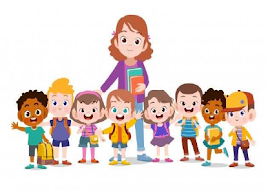
How to deal with students?

➢ Dealing with students involves a combination of patience, communication, and understanding.

➢ Here are some simple tips on how to deal with students: Be patient: Students may take time to understand concepts, so it is essential to be patient with them.

➢ Use straightforward language.

➢ Stay away from jargon and explain ideas in ways students can grasp.

➢ Actively listen: Pay close attention to what students are saying and show them that with care. This fosters trust and fosters a conducive learning atmosphere. By doing this, a relationship of trust and respect is developed.

➢ Be approachable: Encourage the students to ask and be approachable. This helps build a relationship of trust and respect.

➢ Provide feedback: Give constructive feedback to the students to help them understand where they need to improve and how to do so.

➢ Celebrate success: Celebrate the students' achievements, no matter how small they may be. This helps boost their confidence and encourages them to continue learning.

These pointers will help to deal with the students and assist them in realizing their full potential.
Saumya (Soft) @ RPK School Moradabad
Asha Singh, Nidhi Narula, Beena Singh, Shefali Johri, Ekta Sharma, Rajni Gupta and Rashmi Wright

Images sourced from https://www.dreamstime.com/

Saturday, September 10, 2022

Courage and Patience - Guneet Kaur


Courage
means facing one's fears. It is essential in all spheres of life and leads to a change in oneself, making one stronger. Sometimes one has to get out of one's comfort zone and adjust to a new environment. This, too, is courage. Being honest and believing in one's honesty is also courageous.

Teachers are like mirrors for their students. The students tend to imbibe whatever a teacher speaks through his or her words or actions. Not pretending and being oneself is also courage. A teacher must teach students to accept and be proud of themselves regardless of their weaknesses. They should be cherished for who they are and given the space where they can be more aware of themselves. In no situation should they be afraid or ashamed of accepting the truth about themselves or sharing it with others. Seeking help and shunning one's ego is also courage.  


As teachers, we must ensure that the children feel safe with us. They should be able to have faith in us. Simultaneously, they should learn to believe in themselves. A child asking his or her doubt in class, saying, "I didn't understand", in front of the other classmates, is courage.

Teachers need to be there for the students, make them feel safe and teach them to solve their problems themselves. This way, they will be prepared to bravely face life's challenges. However, if the learners make mistakes in solving their issues, their teachers shouldn't punish them. Instead, as adults, they should stand with them and show them the right path.


Courage also reflects in sharing one's experiences with colleagues or children of how one dealt with a situation. This can also help in inspiring them and getting over their fears. Being silently supportive of our co-workers is also courageous.


Patience is being tolerant and calm in handling situations. It means not getting anxious or annoyed too quickly. It does require a lot of courage to be patient. Not complaining, having a positive attitude, and giving time and space to others all come in the arena of patience.


Patience teaches us to have faith and hope that things will get better. Working with patience leads to growth. On the other hand, losing patience can ruin the task at hand. Most of us end up giving up our patience because of the pressure from society, peers, friends or family. However, if we have the courage and the belief in ourselves, we will not lose our cool, take a stand for ourselves and help to bring about a change.

Inaction should not be misunderstood for patience. Moving towards our goal with perseverance and a peaceful mind, accepting failures as stepping stones to success, and having the will to start all over again with the belief that the result will be favourable is patience.    


The farmer protest in our country is the world's most non-violent and peaceful fight for human rights. The farmers had immense patience and courage that helped them to withstand all sorts of physical, emotional and mental atrocities. They did not get frustrated and were convinced that their voices would be heard one day. 


We often lose our patience when we think we are better than others or deserve much more than others. This attitude leads only to exasperation. Whenever this happens, we should take a step back and introspect. High expectations from ourselves or from others can make us impatient. However, patience helps to increase our power of endurance, persistence and better decision making.   


As teachers, we need to be role models of being patient with our students. Being a good and silent listener and helping the children cope with their worries and hassles will help them become more accepting, contented and forbearing. They will learn to shift their focus from a problem to possible solutions without complaining. This will also teach them to be emphatic.  

Guneet Kaur
Mussoorie Public School
Mussoorie 


Wednesday, April 29, 2020

Happiness and Tolerance - Kusum Sharma

Values are very important for everyone because they help us to live a respectful life and play a key role in our overall development. Happiness is a sense of well-being and joy and helps in leading a satisfying life. Happiness for me is being surrounded in a positive and joyous environment. For example, if all the students near me are enjoying and happy, I feel happy.

If happiness is all around us than educators are better connected with children and as a result learning process becomes easier. Nowadays students are pressurized by the parents to excel in academics, leaving behind all other important things like sports, skills etc. which ultimately led them to live pressurized life at a very young age.

Educators can be a game-changer in this scenario by connecting with each student personally and create a healthy competitive environment as well as most importantly help them to find their passion. There are more ways to reduce their pressure like engaging them in skill, service and sports activities. If a person is happy then it's easier for him to be tolerant and can accept everything with patience. If a person is tolerant he will be respecting others opinion in spite of quickly judging them. There are a few ways to foster tolerance in students. Children should be felt special, safe and loved, and also by creating learning opportunities about a new place, people and culture will make them tolerant.

To create happiness and Tolerance in The Fabindia School, we teachers are connected with the students individually, respect their opinion and have given them to choose any skill activities through clubs and societies. And also lots of sports events are organised to foster tolerance in them.

Kusum Sharma
The Fabindia School

Blog Archive